Why Is My Electricity Bill So High?
Before you panic about a shocking bill, check these usual suspects — from an appliance stuck running to a contract that no longer fits your home.
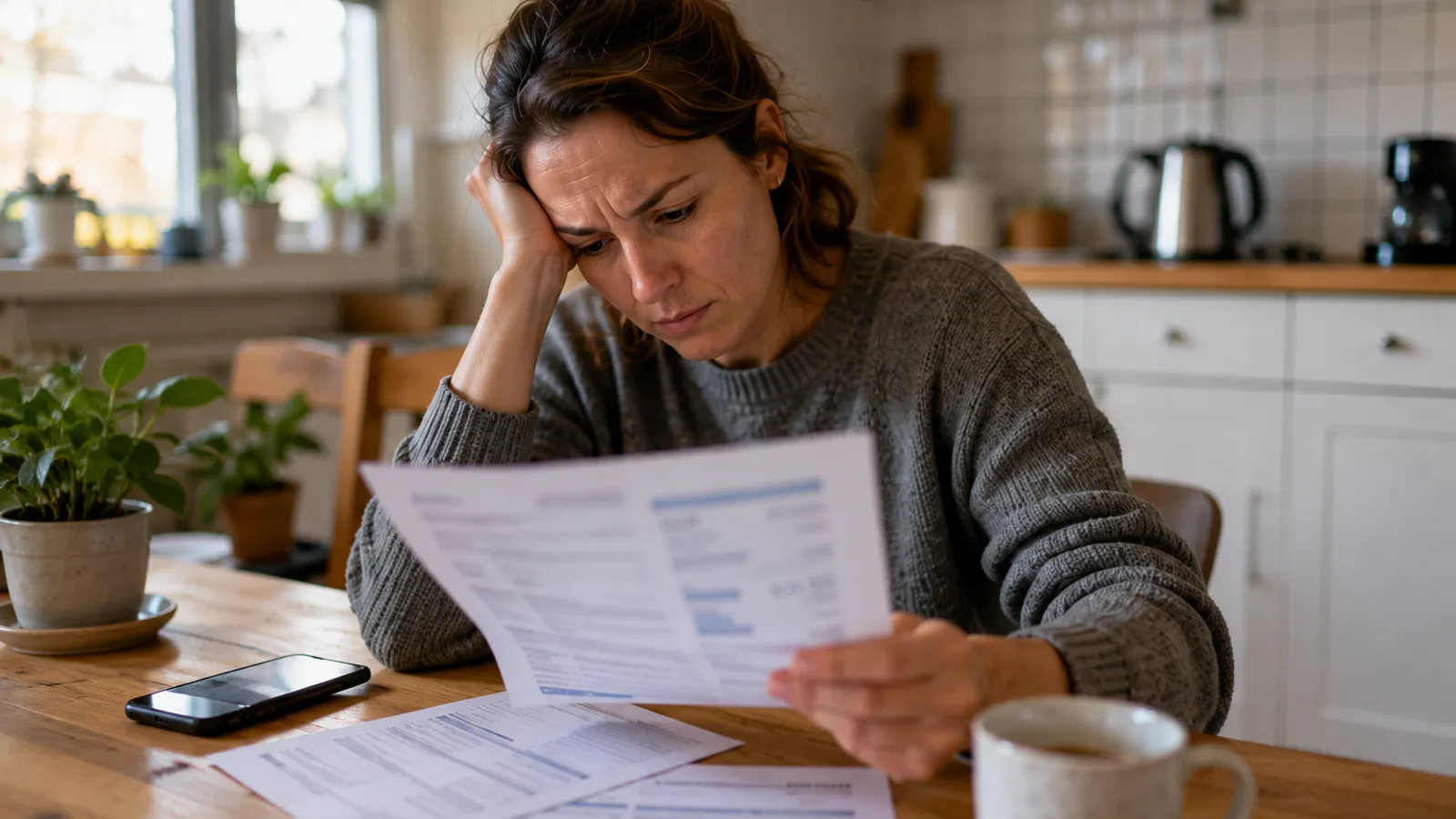
Rule out the two boring explanations first
Before checking a single appliance, rule out the two causes that explain most "shocking" bills and have nothing to do with anything breaking: the weather and the price. Heating and cooling are the most seasonal loads in any home — a cold snap or a heatwave can push a thermostat-controlled appliance from running a few hours a day to running most of the day, and that alone can plausibly double a bill without a single appliance behaving any differently than usual. Separately, check your unit price per kWh against last bill's price: retailers change tariffs, promotional periods end, and a price rise of 20–30% shows up as a bill rise of 20–30% even if you used exactly the same electricity. Both of these are worth five minutes of checking before you start suspecting a fault.
The usual suspects, room by room
If the weather and the price both check out, work through these in order of how often they turn out to be the actual cause:
- Heating or cooling left on a schedule that no longer matches your routine — a thermostat programmed for an empty house on a day someone worked from home, or a schedule nobody has touched since a routine changed months ago.
- A fridge or freezer stuck running — a worn door seal, a build-up of ice blocking the door, or food packed against the back panel restricting airflow can all make the compressor run almost continuously instead of cycling normally. It won't necessarily feel warm inside; it'll just run far more than it should.
- An electric water heater with the thermostat set too high or a tank that's lost insulation — this runs quietly in the background and is easy to forget entirely.
- A new always-on device — a second monitor, a game console left in a high-power standby mode, a router upgrade, or any device added to the house in the last billing period that nobody thought to count.
- More people in the house, more hours, more often — a houseguest, a change to working from home, kids home for the holidays. More hours of normal usage adds up exactly the way you'd expect, it just doesn't always get noticed as a "change".
- A contract change you didn't clock — a change to your contracted power (see the contracted power guide if you're in Spain) or a shift onto a time-of-use tariff can change the bill even if your actual usage is identical.
How to actually find the culprit, not just guess
Guessing from a list only gets you so far — the reliable way to narrow it down is to put real numbers next to each other. Add your household's appliances into the whole-home estimator with realistic hours, and compare the total it gives you against your actual bill. If the estimator's number is close to your bill, your appliance mix explains it and the answer is "yes, that's really what all this costs" rather than a fault — see the guide to reading your bill for what else besides usage can move the total. If the estimator comes in meaningfully lower than your real bill, something is running more than the estimator assumes, and the always-on suspects above (fridge, water heater, standby loads) are the most likely place to look — the standby power calculator is a fast way to see how much a set of "always on" devices could plausibly add up to.
A cheap plug-in energy monitor on one suspect appliance at a time is the single most useful diagnostic tool if the numbers still don't add up — it turns "I think the fridge might be running a lot" into an actual kWh figure you can compare against the typical range for a fridge.
When it genuinely isn't usage
Occasionally a bill is high because of an estimated reading catching up with real usage (common right after a meter swap or a period of estimated bills), a billing error, or — rarely — a fault in the supply itself. If your own numbers from the estimator and a spot-check with a plug-in monitor don't add up to anything close to the bill, that's the point to contact your retailer and ask them to check the meter reading and billing history rather than continuing to hunt through appliances that, on the numbers, aren't responsible.
Frequently asked questions
My bill suddenly doubled — what's the most likely cause?
A change in the weather (heating or cooling running far more hours than last month) and a change in electricity price are the two most common causes of a bill that jumps without anything obviously different at home — check both before assuming a fault.
Could a faulty appliance really double my bill?
Yes, if it's one that runs continuously — a fridge with a failing door seal or a thermostat stuck on can run near-constantly instead of cycling, which adds up over a full billing period even though nothing looks wrong day to day.
Is it my meter or my usage?
Usage, almost always. Meter faults are rare and your utility will investigate one on request, but a bill that matches the weather, a tariff change and your appliance mix almost always has a real, findable cause once you check systematically.